
Approximately 33 million Americans suffer from food allergies. In response, Congress passed the Food Allergen Labeling and Consumer Protection Act of 2004 (FALCPA) which requires food labels to list all ingredients that may cause allergic reactions.
Luật xác định chín chất gây dị ứng thực phẩm chính, một trong số đó là hạt cây.
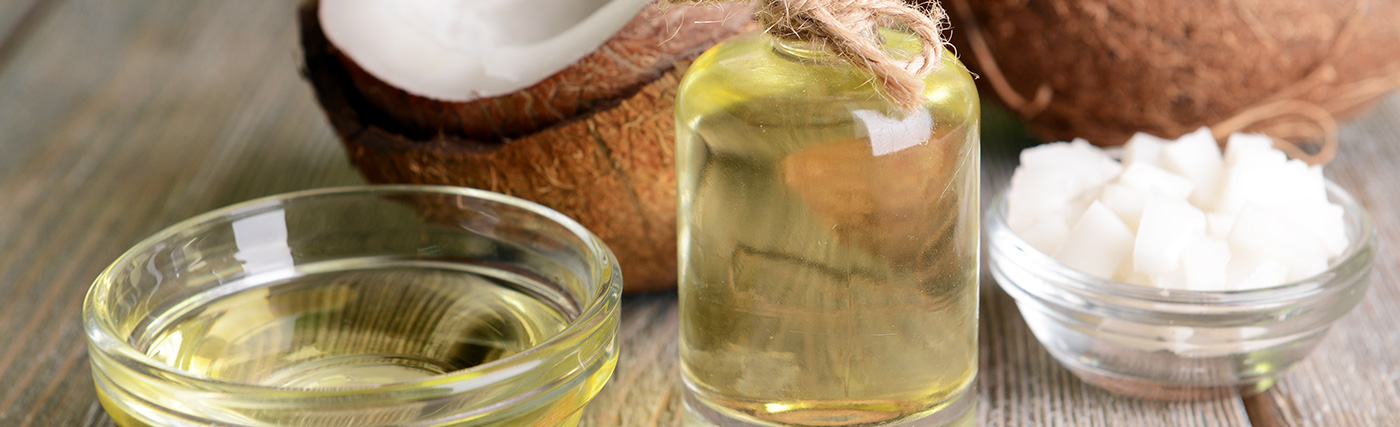
Cơ quan Quản lý Thực phẩm và Dược phẩm Hoa Kỳ (FDA) công nhận dừa là một loại hạt cây, và do đó một chất gây dị ứng phải được khai báo. Điều này có thể gây nhầm lẫn cho một số người, vì dừa thường không được coi là hạt và có rất ít trường hợp người bị dị ứng với cả hạt cây và dừa thật.
Mặc dù vậy, dừa vẫn nằm trong danh sách, vì vậy các cơ sở thực phẩm ghi nhãn sản phẩm có chứa dừa phải liệt kê nó trong các thành phần một cách thích hợp.
FALCPA Requirements for Declaring Allergens
FALCPA is applied to nine food groups that were chosen because they account for over 90% of all food allergies in the United States. They are:
- Sữa
- Trứng
- Cá
- Động vật giáp xác
- Hạt cây
- Đậu phộng
- Lúa mì
- Đậu tương
- Vừng
The Act requires food containing one or more of these nine major food allergens to label the product with either a ‘Contains’ statement, which lists the food source from which the allergen is derived, or to list the common or usual name of the food allergen in the standard list of ingredients. This is done to avoid consumer confusion over ingredients that are derived from food allergens (i.e. whey and milk).
Tuyên bố ‘Có chứa’ phải nằm cạnh danh sách thành phần và có cùng kích thước và phông chữ. Đối với các sản phẩm thực phẩm có chứa hạt cây, động vật giáp xác hoặc cá, loại hạt cụ thể, hoặc các loài cá hoặc động vật có vỏ, phải được khai báo bằng tên thông thường hoặc tên thông thường.
Điều quan trọng là đảm bảo bạn đang thực hiện các biện pháp bảo vệ chống lại sự tiếp xúc chéo với chất gây dị ứng thông qua cả thực hành sản xuất tốt hiện tại (cGMP) và Kiểm soát phòng ngừa theo quy định của Đạo luật Hiện đại hóa An toàn Thực phẩm (FSMA).
Is Coconut a Tree Nut Allergen?
While coconuts grow on trees and contain the word ‘nut’ in their title, Coconuts are botanically a drupe, a fruit with several hard layers. Despite this, they still fall under FDA’s designation of ‘tree nuts’ for the purpose of FALCPA. This can be confusing for labelers who may have not thought of coconut as being an actual nut or as a major food allergen.
While rare, there are a number of people who are allergic to coconut in the United States. FDA likely included coconut in the tree nut category to cover this known food allergen under the Act. FDA acknowledges that their tree nut- list is broad and may even contain species with no current food use.
Trên thực tế, nhiều loại hạt được xác định là hạt cây theo Đạo luật không phải là hạt cây thực vật, nhưng công việc của FDA là bảo vệ càng nhiều người càng tốt khỏi những lo ngại về dị ứng thực phẩm, không nhất thiết phải xác định phân loại chính xác của tất cả thực phẩm.
Coconut and Allergen Labeling
With all this in mind, if you are a food facility labeling products containing coconut, you must declare the presence of coconut either in the ingredients statement or with an adjacent ‘Contains’ statement. Ingredients that are derived from coconut must use the common name ‘Coconut’ in the ingredients or say “contains coconut”.
Không làm như vậy có thể dẫn đến việc FDA xem xét sản phẩm bị dán nhãn sai và do đó có thể dẫn đến hành động pháp lý như thư cảnh báo, cảnh báo nhập khẩu hoặc tạm giữ. Việc không liệt kê đúng các chất gây dị ứng là một trong những vi phạm an toàn thực phẩm phổ biến nhất và rất quan trọng cần xem xét khi tạo nhãn sản phẩm của bạn.
Registrar Corp is a private FDA compliance consultant that assists companies in complying with FDA regulation. Registrar Corp offers a Labeling and Ingredient Review service to help ensure your food label is FDA compliant, including that it contains appropriate allergen statements. For more information, contact us at +1-757-224-0177 or chat with a Regulatory Advisor 24-hours a day at www.registrarcorp.com/contact/.
Tác giả