
Preventive controls have changed how facilities think about compliance, documentation, and regulatory oversight—but they have not replaced HACCP. Instead, they have made HACCP more important. Eevery detail analyzed by FDA reviewers and every requirement within SQF and other GFSI programs, still relies on the structure HACCP provides: validated limits, defensible hazard analysis, clear monitoring logic, and documentation that reflects real process control.
As modernization accelerates—digital records, enhanced traceability, real-time verification—HACCP remains the framework that makes those systems meaningful. Without a strong HACCP foundation, preventive controls become scattered tasks rather than a cohesive food safety system. And when auditors or investigators evaluate your program, they look first for the discipline HACCP is built on.
HACCP Is Still the Backbone of Modern Food Safety Systems
The most common misconception in the preventive controls era is that HACCP is outdated. In reality, every major certification scheme and regulatory expectation still depends on HACCP logic.
HACCP defines:
- how hazards are identified and justified
- where control must occur
- what limits ensure safety
- how monitoring and verification prove effectiveness
Preventive controls expand the scope around HACCP—they do not change the foundation. That’s why teams who revisit the seven HACCP principles often rediscover gaps in their Food Safety Plans or preventive controls documentation.
Preventive Controls Depend on HACCP-Level Clarity
FDA’s preventive controls framework broadens responsibility but doesn’t provide operational detail. The Preventive Controls Qualified Individual must evaluate hazards, determine appropriate controls, and verify implementation—but those decisions depend on HACCP.
This is why PCQI responsibilities align so closely with HACCP tasks. The PCQI relies on HACCP to:
- validate process limits
- distinguish CCPs from preventive controls
- interpret deviations and corrective actions
- review monitoring records for patterns
When HACCP is strong, PCQI oversight becomes clearer. When it’s weak, preventive controls may lose structure.
Certification Standards Still Require HACCP Competency
SQF, BRCGS, FSSC 22000, and other GFSI-aligned programs still treat HACCP as the analytical core of their certification requirements.
SQF Practitioners, in particular, must demonstrate:
- expertise in developing and verifying HACCP plans
- clarity in hazard identification and CCP justification
- the ability to interpret validation and verification data
This alignment is why teams expanding their certification skills often turn to resources such as how SQF training strengthens PCQI and HACCP programs.
A facility can have strong preventive controls—and still fail certification—if HACCP fundamentals are weak.
Digital Systems Have Raised Expectations, Not Replaced Principles
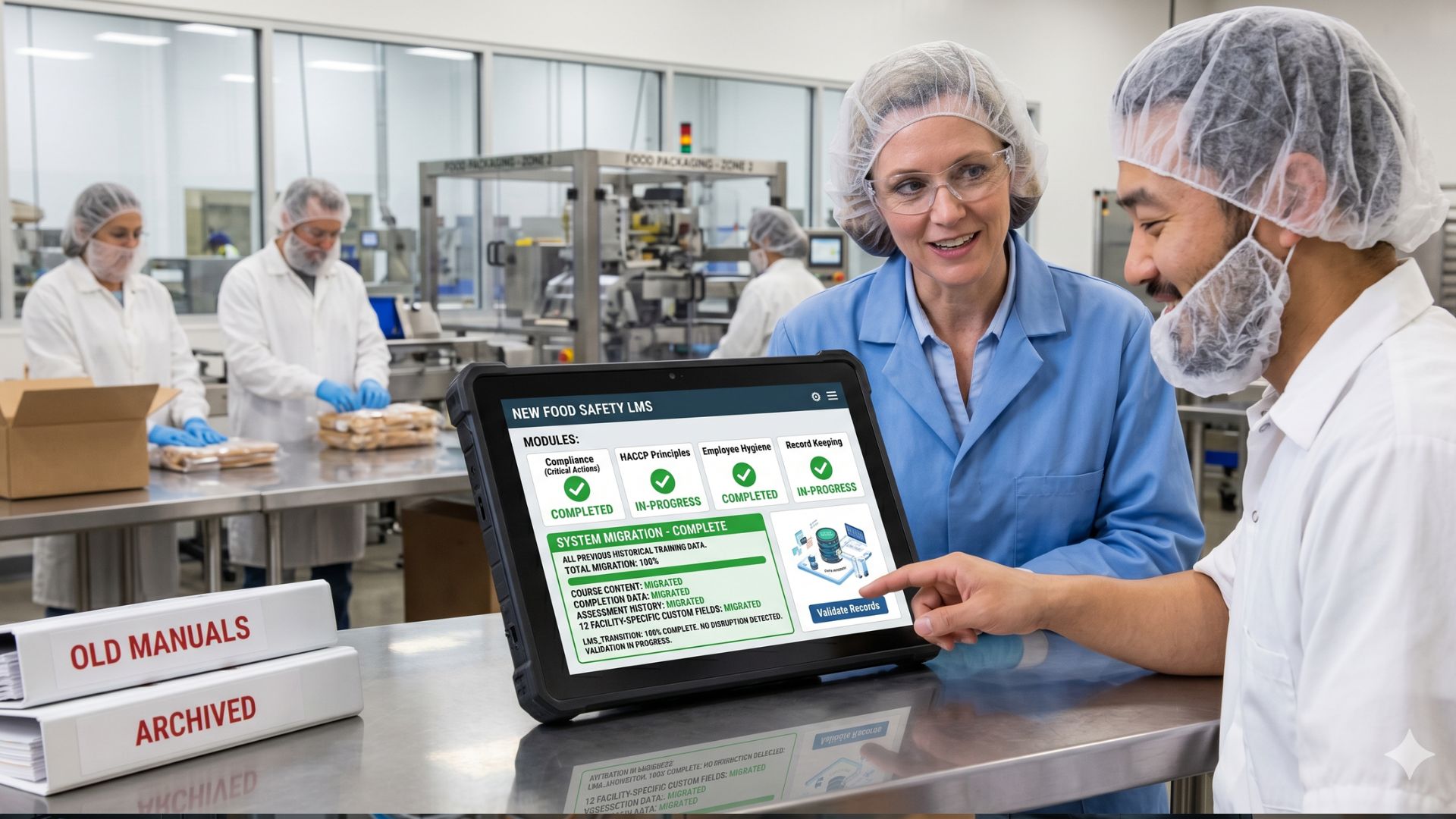
Digital monitoring, cloud-based documentation, and automated verification have transformed what auditors expect. But technology doesn’t change the underlying science.
Digital systems make HACCP weaknesses more visible, not less. Issues highlighted in the new normal for HACCP in 2026 demonstrate that modern compliance requires:
- consistent monitoring entries
- traceable corrective actions
- validated limits documented clearly
- verification steps performed on schedule
Technology amplifies HACCP—it cannot compensate for missing fundamentals.
Why HACCP Still Determines Audit Outcomes
Regulators and auditors evaluate HACCP to answer one question: Does this facility truly understand its process risks?
When HACCP is strong, you can demonstrate:
- defensible decision-making
- scientific control of hazards
- consistent execution of monitoring and verification
- clarity in corrective actions and preventive measures
When HACCP is weak, everything else—including preventive controls, digital logs, and training—feels disconnected.
This disconnect is why facilities frequently review common HACCP audit pitfalls and similar resources after receiving unexpected findings.
Why Re-Certifying in HACCP Matters More Now
Many practitioners were trained years ago—before digital systems, before FDA modernization, before the widespread integration of preventive controls. What they learned is still correct, but it’s no longer sufficient.
Re-certification matters because:
- expectations have evolved
- documentation standards have tightened
- validation requirements are more rigorous
- preventive controls demand deeper hazard justification
A fresh HACCP certification ensures your team is not relying on outdated assumptions.
Strengthen Your Foundation With HACCP Training
Whether you’re responsible for preventive controls, SQF certification, or day-to-day operational oversight, HACCP competency remains the defining skill for modern food safety professionals.
Registrar Corp’s HACCP Certification course helps teams:
- rebuild HACCP plans with modern expectations
- connect HACCP decisions to preventive controls and PCQI duties
- strengthen monitoring, corrective action, and verification practices
- produce documentation auditors consistently trust
Preventive controls define the era—but HACCP defines the system.
Reinforce your foundation. Enroll in HACCP training that auditors respect.