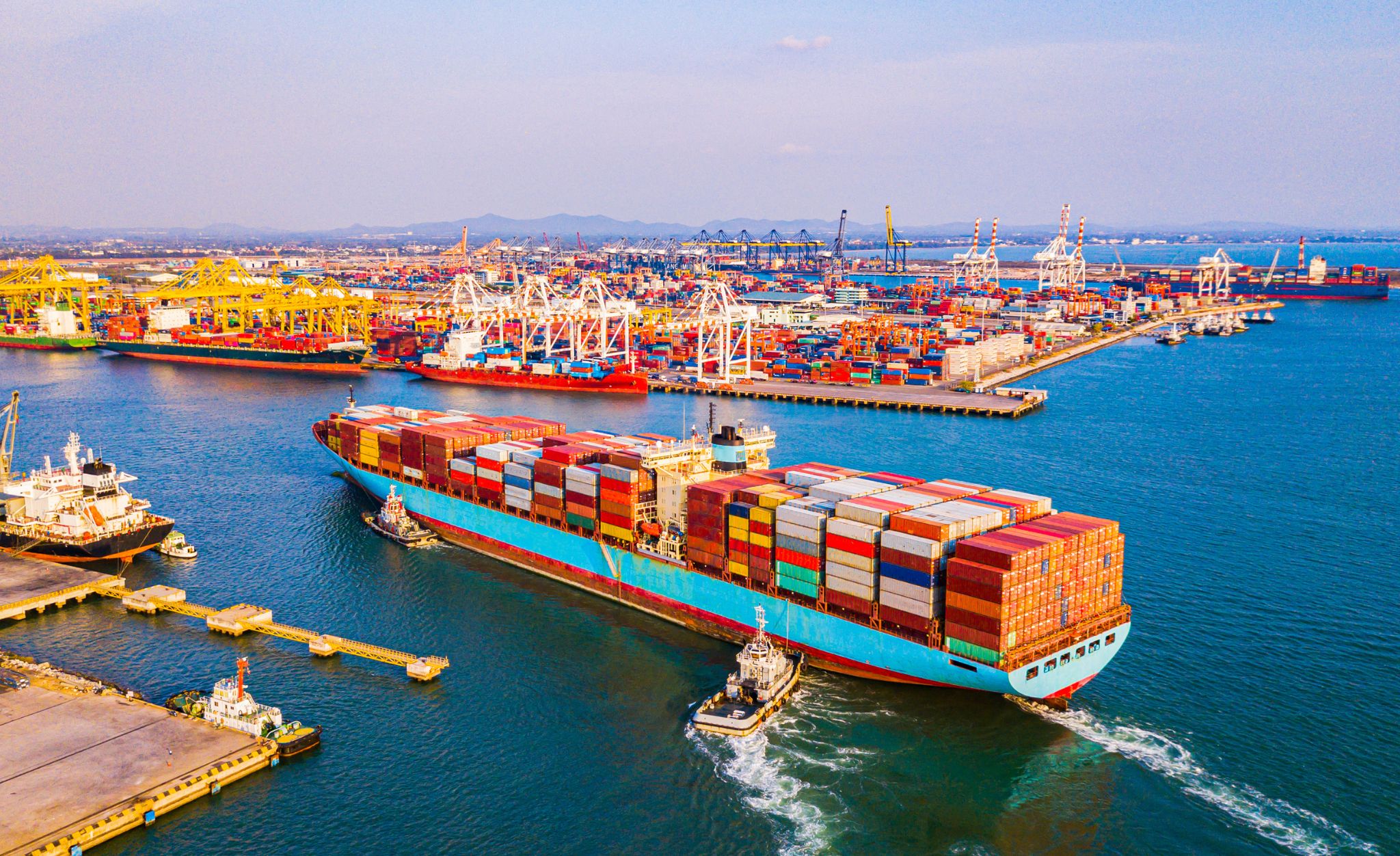

An FDA detention happens fast. One day your shipment is moving through customs; the next, it’s placed on hold because the FDA cannot confirm the safety of the product—or the adequacy of your verification program. What many importers don’t realize is that most detentions tied to FSVP are not caused by foreign supplier issues at all. They’re caused by gaps in the U.S. importer’s documentation.
This article explains the specific FSVP failures that trigger detentions and import refusals, why they’re so common, and how importers can prevent them long before a shipment reaches the U.S. border.
Why FDA Detains Shipments Under FSVP
The FDA’s role during import review is straightforward: determine whether the U.S. importer has verified that the foreign supplier is producing food according to U.S. safety standards. When the FDA cannot confirm this from the information available, it may detain the shipment until the importer provides adequate documentation.
Contrary to what many believe, detention is not used as a punishment for a specific foreign supplier. It’s a direct signal that the U.S. importer’s verification activities are unclear, incomplete, incorrect, or missing entirely.
Importers who need clarity on their foundational obligations often revisit FSVP Importer responsibilities.
The Most Common FSVP Failures That Trigger Detention
FDA detentions usually fall into predictable patterns. If your program contains any of these gaps, your shipments may be at risk.
No FSVP on File
If an Importer cannot provide an FSVP at the time of product entry or within 24 hours, the FDA will find that ‘you did not develop, maintain, or follow an FSVP as required under 21 CFR 1.502. FDA views this as a systemic noncompliance and not just a paperwork issue.
Missing or Nonexistent Hazard Analysis
If the FDA cannot see that you identified and evaluated hazards for your imported food, they assume the risk has not been verified. A supplier-provided HACCP plan isn’t enough unless the importer evaluates and adopts it. Economically Motivated Adulteration (EMA) not evaluated when relevant is also often missed in documentation.
No Documented Supplier Evaluation
A supplier’s approval must be risk-based and documented. Importers often list a supplier as approved with no written rationale, performance history, or documentation of corrective actions. Remember that FDA reviews product-supplier pairing and not just the suppliers.
Inadequate Verification Activities
The FDA may detain shipments if the importer selected activities that do not align with known hazards—for example, relying solely on COAs for high-risk products or skipping onsite audits when warranted. Note that a GFSI certification designation is not sufficient without corresponding document to demonstrate product safety.
Lack of Required Reassessments
If suppliers have not been reassessed within three years—or sooner if new hazards emerge—the FDA may conclude that the importer is not maintaining an active verification program.
Incorrect or Misaligned Records
Even if the importer has records, inconsistencies between hazard analyses, supplier controls, and verification activities often trigger holds. Alignment matters as much as completeness.
Foreign Supplier on Import Alert or with Poor Compliance History
If a supplier appears on FDA Import Alert, has recent warning letters or a history of refusals, immediate detention can result. Even strong paperwork may not overcome repeat compliance failures so every effort should be made to actively select and monitor your suppliers food safety compliance.
Each of these gaps forms the backbone of the corrective actions FDA expects when a violation occurs.
How Detention Leads to Refusal
Detention is a temporary action. Refusal is final.
If the importer cannot provide adequate documentation or correct deficiencies quickly, the FDA may refuse entry outright. Refusal can:
- Delay distribution for weeks or months
- Damage customer relationships
- Create supply chain instability
- Increase storage, testing, and demurrage costs
- Trigger enhanced future scrutiny or placement on import alert
Detention is often recoverable with quick action and responses to FDA. Once a refusal enters the FDA’s public record, other buyers, suppliers, and auditors may reassess their relationship with the importer.
Why These Failures Are So Common
Most FSVP failures don’t stem from a lack of concern—they stem from assumptions:
- Assuming the foreign supplier’s documents are enough
- Assuming a certificate or letter of guarantee satisfies FDA requirements
- Assuming a broker or agent is handling verification
- Assuming FSVP only applies to high-risk foods
These assumptions break under FDA review because they shift responsibility away from the importer—the entity legally accountable for the program.
Many of the weaknesses that create detention risk can be traced back to insufficient training in hazard evaluation, supplier approval logic, or verification requirements.
Prevention: How to Protect Your Shipments From Detention
To avoid detention, importers should build a program that demonstrates transparency, logic, and alignment across all FSVP components.
1. Maintain Complete and Current Hazard Analyses
FDA must see that hazards were identified, evaluated, and matched to appropriate controls for each food. Update analyses whenever suppliers, processes, or ingredients change.
2. Document Supplier Approval Decisions
Approval isn’t meaningful unless the reasoning appears in your records. Investigators look for evidence of:
- Safety history
- Corrective action response
- Compliance performance
3. Match Verification Activities to Actual Risks
One of FDA’s strongest indicators of program adequacy is whether the risk-based verification activity makes sense for the hazard. Over-reliance on convenience activities signals risk.
4. Conduct Required Reassessments
Reassess every supplier at least every three years—and sooner if new hazards arise.
5. Train Personnel Who Evaluate Suppliers or Maintain Records
Training is one of the most reliable ways to reduce detention risk. Teams that understand how FDA thinks make more consistent decisions and produce records that withstand scrutiny. Records should show that FSVP activities were conducted or overseen by a qualified individual through training certificates or experience documentation.
For a broader look at the ROI of training and why companies invest in formal development, see PCQI training ROI.
Detention as a Warning—and an Opportunity
An FDA detention is not just an operational disruption—it’s an early warning sign. The agency rarely stops with scrutiny on a single shipment. Once identified, the importer’s entire FSVP may be reviewed.
Importers who treat detention as a signal for FSVP improvement often avoid more serious consequences, including refusal or placement on import alert.
Your Next Step: Strengthen Your FSVP Before FDA Reviews Your Import Entries
Detention risk drops significantly when the importer has a clear, complete, and well-documented Foreign Supplier Verification Program supported by trained personnel.
Registrar Corp’s FSVP Training provides:
- Detailed coverage of hazard evaluation and risk-based decision-making
- Clear guidance on documentation and verification activities
- Examples of detention and refusal causes drawn from real FDA actions
- Tools to help your team prevent the exact failures that trigger shipment holds
If you want to protect your shipments, your customers, and your supply chain, explore Registrar Corp’s FSVP Training today.